
Reducing the legal, social, and economic disparities between women and men is a fundamental human rights issue. It is also critical to reduce poverty and achieve a stable, prosperous future for all.

February 28, 2022
·
Women's economic empowerment
Despite some progress, living in a rural area remains one of the most significant drivers of inequality for women worldwide. Development indicators show that rural women and girls fare consistently worse than rural men and urban women in several areas, including literacy, education, health and sanitation, and poverty.

Despite some progress, living in a rural area remains one of the most significant drivers of inequality for women worldwide. Development indicators show that rural women and girls fare consistently worse than rural men and urban women in several areas, including literacy, education, health and sanitation, and poverty.
Women living in rural areas typically carry out more unpaid work to care for family members, gather water or fuel, or perform domestic tasks, which leads to increased time poverty and restricts their ability to undertake paid work outside the home. When rural women do engage in wage employment, they are more likely to hold part-time, seasonal and/or low-paying jobs in the informal economy. While rural women account for approximately half the agricultural workforce, they own less than 20% of the world’s land. This puts them at a higher risk of income insecurity, and further increases their vulnerability to the effects of climate change.
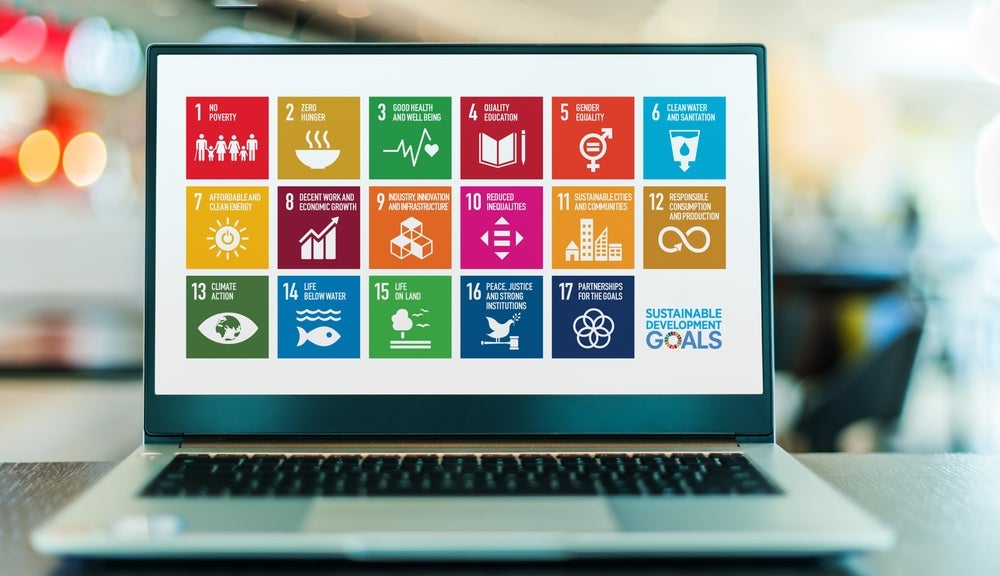
This year, the United Nations invite us to celebrate International Day of Rural Women under the theme “Sustainable infrastructure, services and social protection for gender equality and the empowerment of rural women and girls”, highlighting the need for innovative solutions to bridge these gender and rural/urban divides and meet the Sustainable Development Goals (SDGs).
This theme reminds us that infrastructures and services are too often blind to the reality of rural women and girls, further increasing the risk of leaving them behind. Traditional financial services are a good example: since rural women are less likely to own land and other property, and even to have a formal ID, they are typically less likely to have their own bank account or be granted a loan. Women in rural areas may also face certain types of mobility restrictions, for example cultural or traditional norms that prevent them from travelling alone or at certain times of the day. Transport infrastructures that ignore these constraints can at best maintain, and at worst exacerbate, gender inequalities in rural areas. Similarly, the use of new technologies to bridge development gaps should not ignore significant disparities between rural women and rural men, for example in mobile ownership and internet use.
How can infrastructure, services and social protection be made to work for rural women and girls? First, evidence highlights the importance of gender-sensitive design and delivery processes – i.e. ones that intentionally embed, and respond to, women’s needs and demands as service users. Design and delivery should also account for other potential factors of vulnerability in women’s lives such as rurality, poverty, illiteracy, etc. Second, local input from rural women, for rural women is crucial for these initiatives to succeed. Rural women across the globe are organizing, and they want to have their voices heard. Are we ready to listen?
At FinDev Canada we are committed to making women’s economic empowerment our #1 priority, and that includes rural women. In accordance with our development impact framework, we focus on women’s economic development, local market development and climate change mitigation to achieve the SDGs.
Tell us what you think: What innovative and sustainable solutions are needed to empower rural women and girls? Comment below or tweet your thoughts with the hashtag #FinDevCanada.
Reducing the legal, social, and economic disparities between women and men is a fundamental human rights issue. It is also critical to reduce poverty and achieve a stable, prosperous future for all.
03 April 2025
There has been significant global progress in advancing gender equality, including improvement in women’s access to education, increased representation in leadership positions, and a reduction of women living in extreme poverty. Yet, critical genders gaps remain. In some areas, gender equality initiatives, programs and targets are facing setbacks, and the barriers women encounter continue to widen these gaps.
In an era defined by interconnectedness, international aid and development is more than a philanthropic endeavor – it's about embracing our role as global citizens. Canada's international assistance priorities are helping contribute to a more peaceful, prosperous, and inclusive world.
Meet us at upcoming events!
View our case studies, watch our videos and listen to our podcasts.
Stay in the know with our latest announcements and releases.