
Reducing the legal, social, and economic disparities between women and men is a fundamental human rights issue. It is also critical to reduce poverty and achieve a stable, prosperous future for all.

May 21, 2020
·
Women's economic empowerment
Climate change negatively affects the livelihoods of rural women, leading to water scarcity, lower crop yields and increased outbreaks of diseases, but they are often overlooked when addressing the issue

Last year, I wrote a post on the International Day of Rural Women. The theme being sustainable infrastructure, I wrote about how women in remote areas worldwide disproportionately suffer from a lack of access to gender-sensitive infrastructure, services and social protection. I also touched on what steps could be taken to solve this issue, and how FinDev Canada is contributing to that. You can read that post here.
The United Nations invites us to celebrate this year’s International Day of Rural Women with the theme of “Rural women and girls building climate resilience” , which has emphasized the continued discussion around the impact of climate change on women living in rural settings.
This theme brings attention to the fact that women’s voices are often overlooked when addressing climate change impacts and solutions. The additional challenges faced by women in rural areas – poverty, remoteness, limited access to education and means of communications, among others – means their voices go even more unnoticed, despite being on the frontlines of this battle. Women are believed to be fourteen times more likely than men to die during a disaster, and evidence suggests rural women are particularly at risk.
Climate change also negatively affects the livelihoods of rural women, leading to water scarcity, lower crop yields and increased outbreaks of diseases. It also increases women’s time in poverty: in Zambia, for example, deforestation has increased the time spent collecting fuelwood. Women already spend an average of 800 hours a year devoted just to that.
Recently, there has been an increase in climate action and raising awareness about climate change from the public. The Global Climate Strike saw millions of people worldwide leaving their homes, schools and places of work to demonstrate resilience and show that something needs to be done. In the spirit of this year’s theme, what can we do to continue this action for rural women and girls?
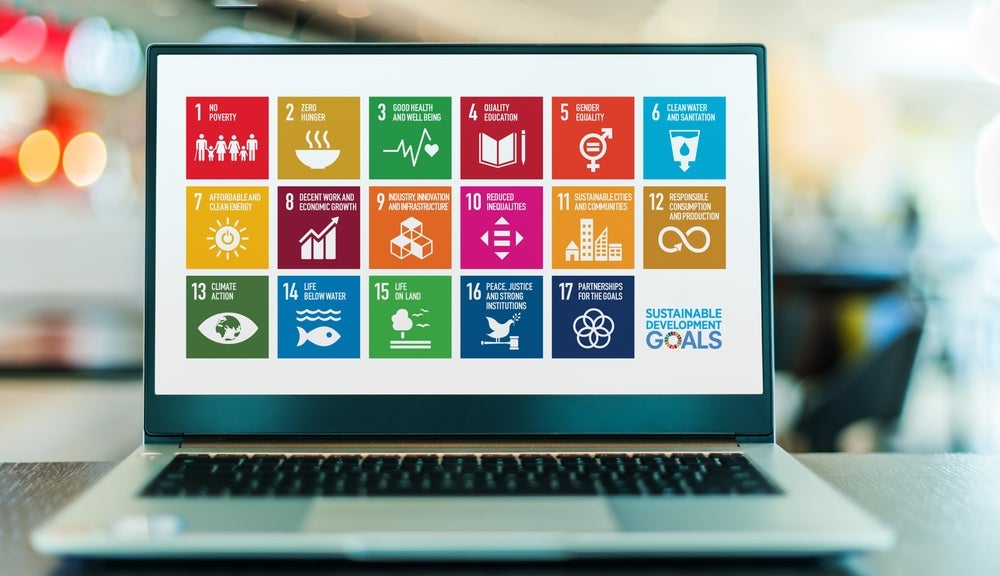
The United Nations Framework Convention on Climate Change (UNFCCC), along with UN Women, published a Gender Action Plan (GAP) in 2018 on actioning solutions to Climate Change. It provides concrete solutions to foster women’s empowerment through approaches such as, engendering climate-resilient policies that include a voice for women and promoting the leadership of rural women in shaping laws, strategies and policies that are focused on climate action. The marker for its success is measured by the Sustainable Development Goals, which embody many of the United Nation’s objectives and serves as a benchmark for other institutions such as FinDev Canada.
Women are fast becoming leaders in climate action, both in higher and lower income countries. It’s our duty to recognize how disproportionally they are affected by climate change. We need to listen to their experience, seek their input when finding solutions, and involve them in making the key decisions that directly impact their well-being. Are we ready to do that? I don’t think we have a choice.
At FinDev Canada we are committed to making women’s economic empowerment our #1 priority, and that includes rural women. In accordance with our development impact framework, we focus on women’s economic development, local market development and climate change mitigation to achieve the SDGs. Our Gender Equality Strategy, establishes our intention to promote, drive and capture best practices at the nexus of climate action and gender equality, by supporting our clients from the green growth sector to adopt and implement gender-inclusive strategies.
Tell us what you think: What innovative and sustainable solutions are needed to empower rural women and girls? Tweet your thoughts with the hashtag #FinDevCanada.
Reducing the legal, social, and economic disparities between women and men is a fundamental human rights issue. It is also critical to reduce poverty and achieve a stable, prosperous future for all.
03 April 2025
There has been significant global progress in advancing gender equality, including improvement in women’s access to education, increased representation in leadership positions, and a reduction of women living in extreme poverty. Yet, critical genders gaps remain. In some areas, gender equality initiatives, programs and targets are facing setbacks, and the barriers women encounter continue to widen these gaps.
In an era defined by interconnectedness, international aid and development is more than a philanthropic endeavor – it's about embracing our role as global citizens. Canada's international assistance priorities are helping contribute to a more peaceful, prosperous, and inclusive world.
Meet us at upcoming events!
View our case studies, watch our videos and listen to our podcasts.
Stay in the know with our latest announcements and releases.