
Reducing the legal, social, and economic disparities between women and men is a fundamental human rights issue. It is also critical to reduce poverty and achieve a stable, prosperous future for all.

March 8, 2024
·
Climate action
Women's economic empowerment
On this International Women’s Day, it’s essential for us to reflect on the pivotal role women play in fostering sustainable and inclusive economic growth, particularly in emerging markets and developing economies (EMDEs).

On this International Women’s Day, it’s essential for us to reflect on the pivotal role women play in fostering sustainable and inclusive economic growth, particularly in emerging markets and developing economies (EMDEs). At FinDev Canada, we are committed to promoting gender equality and climate and nature action, as well as advancing market development, as interconnected pillars of our mission to advance sustainable development.
The nexus between gender equality and climate change is undeniable. Women, especially in EMDEs are disproportionately affected by the adverse impacts of climate change.
Women are more likely to depend on natural resources for their livelihood, whereas men often have more diversified sources of revenue, enabling them to have higher levels of resilience, according to UN Women[1].
The fact that women have less access to financing, limits their ability to cope with natural disasters and other environmental risks. Also, women of all ages are underrepresented in environmental decision-making spaces and climate change negotiations, which restricts their influence on natural resource management and their contribution to achieving a sustainable future for all.
Yet, they are also powerful agents of change and resilience in their communities. When women are empowered economically and socially, they become catalysts for environmental stewardship, innovation, and adaptation.
For example, firms that had more women in management had a 5% decrease in CO2 emissions, according to 2022 report from the European Central Bank[2]. In agriculture, if all women smallholder farmers had the same access to resources, farm yields worldwide would increase by 20 to 30% and 100 to 150 million people worldwide would no longer be hungry, according to a FAO (Food and Agriculture Organization) study[3].
Our organization recognizes the importance of women’s inclusion in creating a more sustainable and inclusive world. Through our initiatives and partnerships, we strive to provide women with access to financial services, quality employment and opportunities for leadership and entrepreneurship. By doing so, we support economic growth and resilience in the communities we serve.
We want to lead by example when it comes to gender equality and, as demonstrated in our staff self-identification data[4], we have the privilege of working in an organization where the diversity of our team is not only reflective of the regions we serve, but also of the type of change that we wish to support in the world. We are all contributing to building a more sustainable future.
Our efforts are aligned with the Sustainable Development Goals and the commitments of the Paris Agreement. By advancing gender equality and climate and nature action, we are not only fulfilling our organizational mission but also contributing towards these goals that represent a global vision towards the future.
This International Women’s Day, let us reaffirm our commitment to gender equality, climate action, and market development, knowing that our day-to-day work has a positive impact in empowering those who are driving significant progress in the regions we serve.
[1] See Call-to-action-gender-environment-data.pdf (unwomen.org)
[2] See Does gender diversity in the workplace mitigate climate change? (europa.eu)
[3] See Factsheet_SMALLHOLDERS.pdf (fao.org)
[4] See our Annual Report
Reducing the legal, social, and economic disparities between women and men is a fundamental human rights issue. It is also critical to reduce poverty and achieve a stable, prosperous future for all.
28 November 2025
In the run up to COP30 in Brazil, Climate Action caught up with Lori Kerr, CEO of FinDev Canada, to discuss how the organisation is planning to tackle climate adaptation and mitigation in these uncertain times.
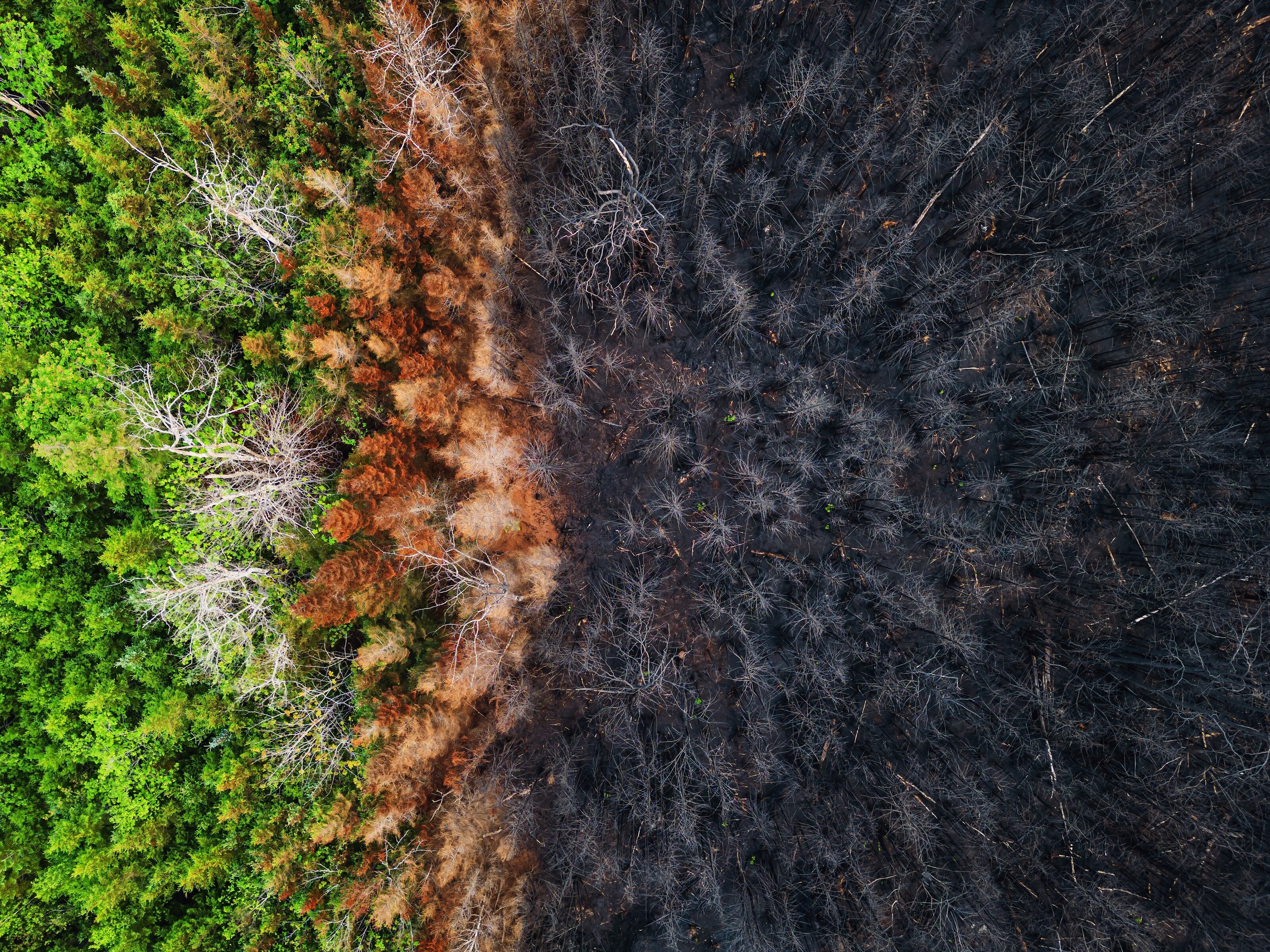
This blog presents the key elements of FinDev Canada’s approach to physical climate risks, why it is important to our business, and where we want to go next- hoping that it will create further dialogue and knowledge exchange.
Meet us at upcoming events!
View our case studies, watch our videos and listen to our podcasts.
Stay in the know with our latest announcements and releases.